Exploring Shared Progression In Multiplayer Reward Games
22 November 2026 | 6
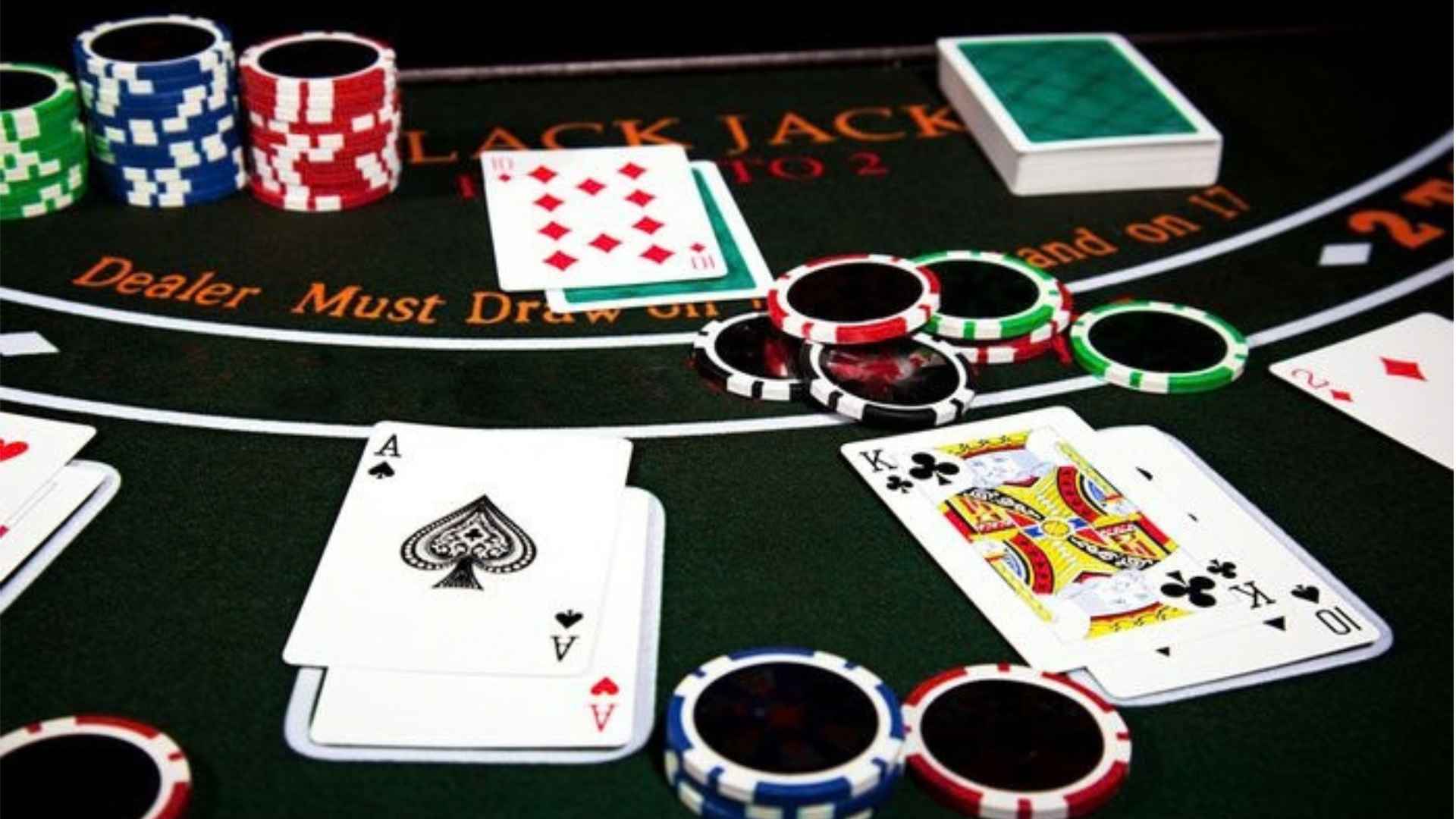
Multiplayer online environments are increasingly shifting from individual achievement models toward shared progression mechanics. By allowing teams, guilds, or casual groups of players to combine their efforts toward mutual goals, developers foster deeper engagement and stronger social bonds. This collaborative approach enhances the satisfaction of completing complex challenges while ensuring that every participant feels valued regardless of their skill level.
The Core Mechanics of Shared Progression
Shared progression systems pool resources, experience points, or unlockable milestones across a team of players. Rather than competing internally for exclusive rewards, participants contribute to a collective pool that grants benefits to all group members. This structure reduces toxicity and encourages experienced players to assist newcomers in reaching key gameplay objectives.
Furthermore, collective goals create a sense of shared responsibility that keeps players returning to the game regularly. When a group progress bar advances through joint effort, every completed quest or match feels meaningful. Developers balance these systems to prevent single players from carrying the entire workload without input from others.
Building Community Loyalty and Engagement
Reward-based multiplayer games thrive when players feel connected to a wider community. Shared advancement channels give teams a unified purpose, turning casual gaming sessions into strategic group activities. Over time, these shared experiences build strong player networks that sustain a title's long-term active population.
Gamers seeking detailed insights into current multiplayer trends often look for an m88 review to evaluate community features and platform standards. Accessing trustworthy platform analyses helps players choose environments that offer fair mechanics and solid social systems. Quality gaming platforms prioritize transparent progression rules to maintain community confidence.
Balancing Group Contributions and Individual Effort
Designing fair shared progression mechanics requires careful balance to ensure every participant stays motivated. Game designers often implement individual thresholds within group goals so that idle members cannot passively collect rewards without contributing. This dual-layer reward system protects dedicated players while encouraging active participation from the entire roster.
Additionally, adaptive scaling allows smaller teams to compete effectively against larger organizations. By matching objective requirements to active member counts, games maintain healthy competition and prevent large guilds from dominating every event. This dynamic approach keeps multiplayer reward environments dynamic and accessible to diverse player bases.
The Future of Collaborative Gaming Incentives
As multiplayer reward titles evolve, shared progression is expected to integrate more cross-platform functionality and real-time cooperative features. Future designs will likely emphasize persistent world goals where entire servers work together toward global events and seasonal rewards. This trend marks a exciting shift toward cooperative achievements over purely competitive gameplay loops.
Ultimately, shared progression transforms how gamers interact by placing community success at the center of the experience. By aligning personal achievement with group success, modern multiplayer games deliver richer, more fulfilling entertainment for players worldwide.