How Players Can Develop Better Tactical Thinking Through Solitaire
12 August 2026 | 367
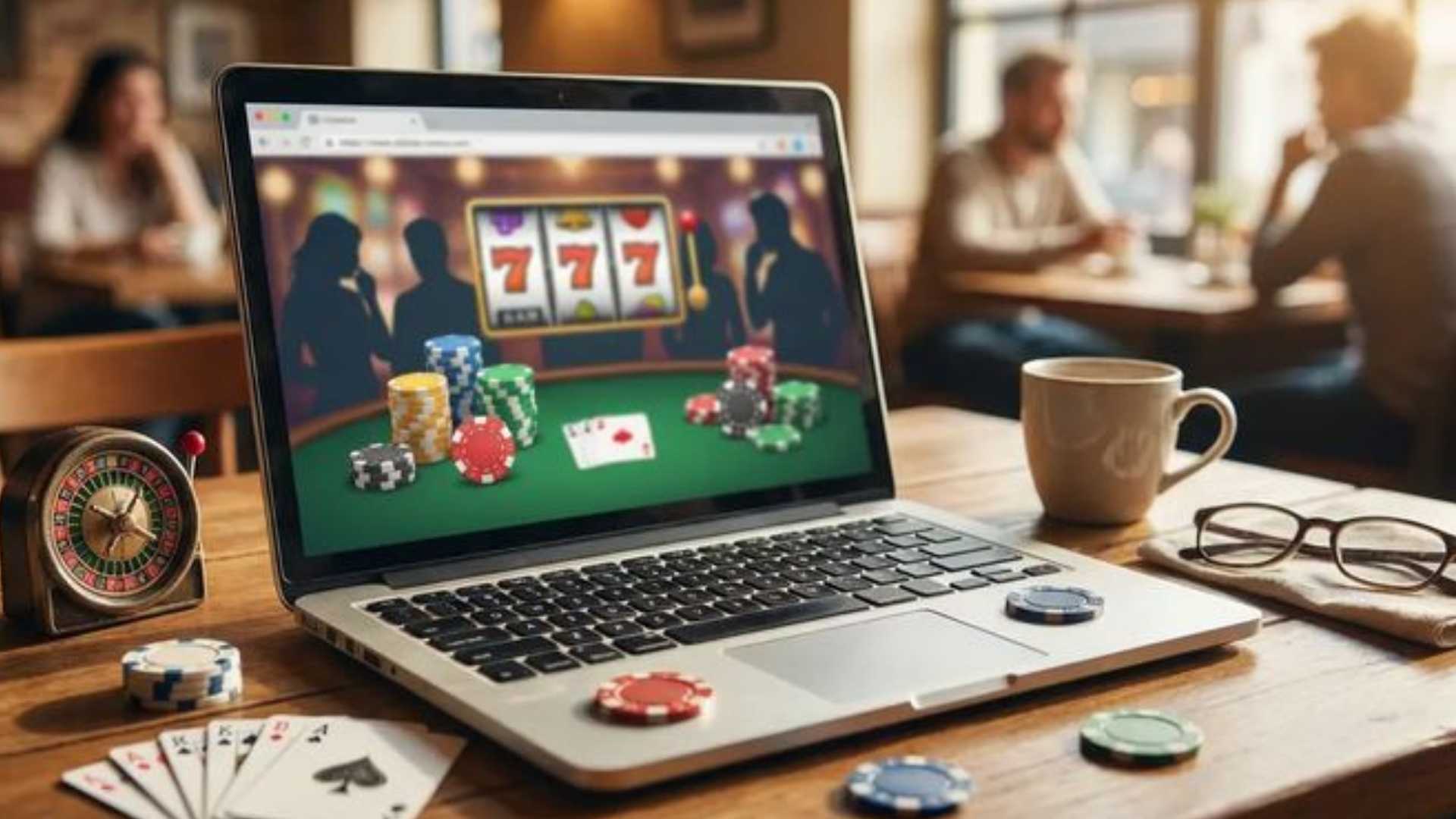
Solitaire is frequently viewed as a simple card game meant for casual entertainment during quiet moments. However, engaging with its structured mechanics allows individuals to sharpen their problem-solving and strategic planning skills. By analyzing available moves and forecasting outcomes, players can build a sharper tactical mindset that carries over into everyday decision-making.
Evaluating Risk and Future Outcomes
Every decision made on the tableau carries a degree of risk that directly impacts long-term success. Choosing to reveal a hidden card versus transferring a sequence requires evaluating which option offers the greatest structural advantage. Through continuous practice, players learn to weigh immediate gratification against delayed strategic benefits.
Anticipating how a single card shift affects subsequent turns encourages a forward-thinking habit. This mental exercise trains the mind to consider multiple steps ahead before committing to a choice. Over time, calculating probability becomes second nature, reducing impulsive mistakes during challenging games.
Resource Management and Sequence Control
Managing restricted spaces and maintaining column flexibility are core elements of effective Solitaire play. Clearing a column creates valuable board real estate, but filling it prematurely can restrict future mobility. Successful players exercise restraint, reserving empty spots until a suitable King sequence can be deployed.
Controlling the flow of cards from the stockpile also requires deliberate discipline and careful timing. Racing through the deck without tracking key ranks often leads to avoidable bottlenecks on the tableau. Gamers looking for online entertainment options often search for a boss toto link to access digital gaming platforms, where strategic patience and structured play remain equally essential.
Adapting to Unfavorable Board States
Not every Solitaire layout yields an easy victory, forcing players to navigate restrictive board setups. Confronting difficult card distributions teaches adaptability and encourages non-linear problem-solving methods. Instead of restarting immediately, skilled players analyze alternative sequences to unlock jammed columns.
Learning from unwinnable scenarios builds emotional resilience and improves critical assessment skills. Recognizing pivotal turning points in past attempts allows players to refine their overall approach over time. This trial-and-error process reinforces flexible thinking, turning challenging boards into valuable learning opportunities.
Cultivating Patience and Mental Discipline
Tactical thinking relies heavily on maintaining focus and resisting the urge to execute hasty decisions. Solitaire provides a controlled environment where careful observation is consistently rewarded over speed. Taking time to scan the entire board before taking action prevents crucial tactical oversights.
Regular gameplay serves as an accessible mental workout that strengthens concentration spans over extended periods. As players develop structured routines, their overall analytical speed and accuracy naturally improve. Ultimately, mastering Solitaire transforms a traditional pastime into a practical exercise in cognitive discipline.